Bear Country
PUBLISHED 2026-08-13 | BY Jesse Pisel
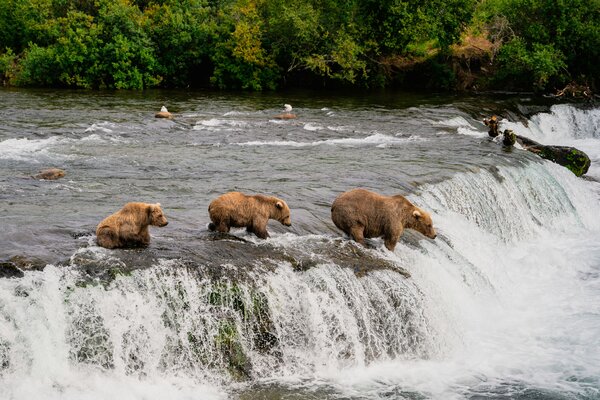
Photo by Pradeep Nayak on Unsplash
Bear Country
I saw the cub first. A flicker of black fur through the alder, twenty yards ahead on the trail. Then another. Then the rustle of branches as something much larger moved below them. My breath caught from sheer electric thrill and a little bit of fear. I am never alone out here.
That moment in the mountain backcountry crystallized a lesson I learned across years and thousands of miles. Bears define wild places. And how we see them, whether as monsters, spirits, or fellow travelers on this earth, shapes everything that follows.
What Bears Mean
I use publicly available Indigenous sources: scholars, tribal organizations, and official resources. These living cultures have diverse, complex and sacred traditions. I provide context for my own experiences, not speaking for these communities.
Across western Indigenous traditions, bears hold deep significance. In the coastal southeast, the Tlingit and Haida peoples feature bears prominently on totem poles and clan crests as symbols of strength, endurance, and spiritual connection. The Haida call the black bear Taan and the grizzly Xuuajii, and describe the bear as the “Elder Kinsman”, a noble guest deserving respect, a symbol of strength and family ties. Their legend of Taan AwGa (Bear Mother) teaches the reciprocity between humans and bears, a relationship based on respect and understanding.
In the northern interior, among the Athabascan peoples, the bear is a powerful, sacred animal surrounded by taboos. In the Denaakk’e and Koyukon traditions, women and girls traditionally avoid saying the word “bear” directly, instead using hutłaanee (“its taboo”). These practices reflect the deep respect and spiritual significance bears hold. The Native Heritage resources confirm how central bear stories are to the oral histories of the interior.
Further south, the Nez Perce (Nimiipuu) connect bears to weyekin, personal spirit power or guardian spirits. A bear weyekin bestows understanding of medicines and the ability to cure ailments. The Nez Perce tell stories weaving bears into the fabric of their cultural teachings.
In the arid southwest, the Navajo (Diné) call the bear Shash, a symbol of strength, protection, and sacredness, connected to Hózhó, the concept of beauty, harmony, and order. Shashjaa’ (Bears Ears) represents a sacred landscape, a place of deep cultural significance.
Across these diverse traditions, common themes emerge: authority, medicine, courage, strength, wisdom, healing, and protection. As Native Hope describes, the bear makes a gift to Mother Earth and her people.
European traditions offer their own perspectives. Bears appear as symbols of royalty and sovereignty in heraldry, their image representing protection and justice. In Celtic traditions, bears connect to divinity. The Norse berserkers channel the ferocity of bears in battle. As heraldic sources describe, the bear’s symbolism has long included wisdom and noble protection.
Common themes emerge: strength, wisdom, protection. Bears are beings with whom we share a deep ancient connection. This connection, more than technical knowledge, shapes how we behave when we meet them in the wild.
Bear Encounters
Brown Bears
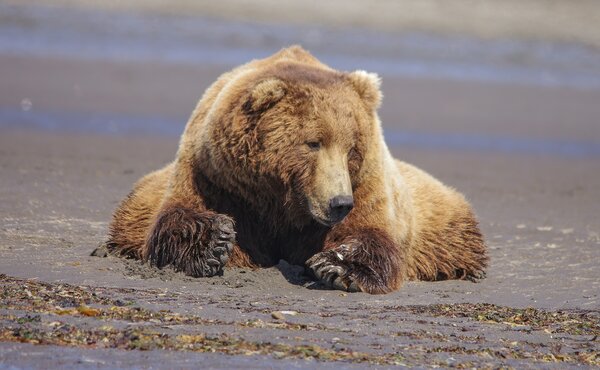 Photo by Bob Brewer on Unsplash
The first thing that hits you at the beach is the footprints, frisbee-sized in the sand on the beach. The air hums with the sound of seagulls, the water roils with the movement of the fish, and the scent of the ocean hangs thick. And then you see the bears. Dozens of them. Fishing, swimming, eating grass on the riverbanks.
I watched dominant males claim the best fishing spots at a salmon run, their massive forms a testament to nature’s power. Cub pairs tumbled in the grass, their mothers watching with patient eyes. Humans built the boardwalk with humility. We are observers here. We walk on elevated paths, keeping our distance, respecting their space.
My companions will not let me forget one moment. A bear came down the road toward us. My compatriots, in their infinite wisdom, decided this was an excellent time to disappear behind a nearby building. I stood my ground, heart pounding but eyes wide. The bear ambled past, close enough to hear its breath and see the intelligence in its eyes. It was mere presence. In that moment, I understood: we were sharing this space, not competing for it.
Grizzly
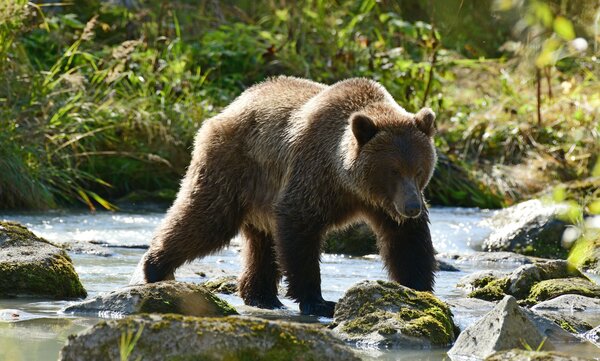
Photo by Greg Johnson on Unsplash
Northern interior springs are quiet, vulnerable times. Tourist crowds have not yet arrived. Snow still lingers in patches. And the bears are hungry.
I saw its tracks along the road for a mile and had my bear spray ready. I biked along the road, the only sound the crunch of my tires on gravel and my own breathing. Then I rounded a bend and saw it. A grizzly, a hundred yards ahead, its shaggy coat, still shedding winter fur, moving with that effortless power that only a creature built for wild places can possess.
I realized with sudden clarity: I rode a bike. Alone. A grizzly bear stood ahead of me.
Grizzlies are most active from late spring through mid-September, with dawn and dusk as prime times. The bears are constantly on the move, following the food. And on that spring day, I was in its path.
I climbed off the road onto a rocky outcrop after getting off my bike. The bear just kept cruising down the road. Even with a bear bell, bikes are sneaky.
Mountain bikers account for roughly 10% of non-fatal bear attack victims for a reason. We move fast. We stay quiet. We round blind corners. To a bear, we appear suddenly, like ghosts. The solution is to bike with awareness, with respect, with the understanding that we are visitors here.
Lesson: In bear country, you share the road. You do not own it.
When Wild Meets Suburbs
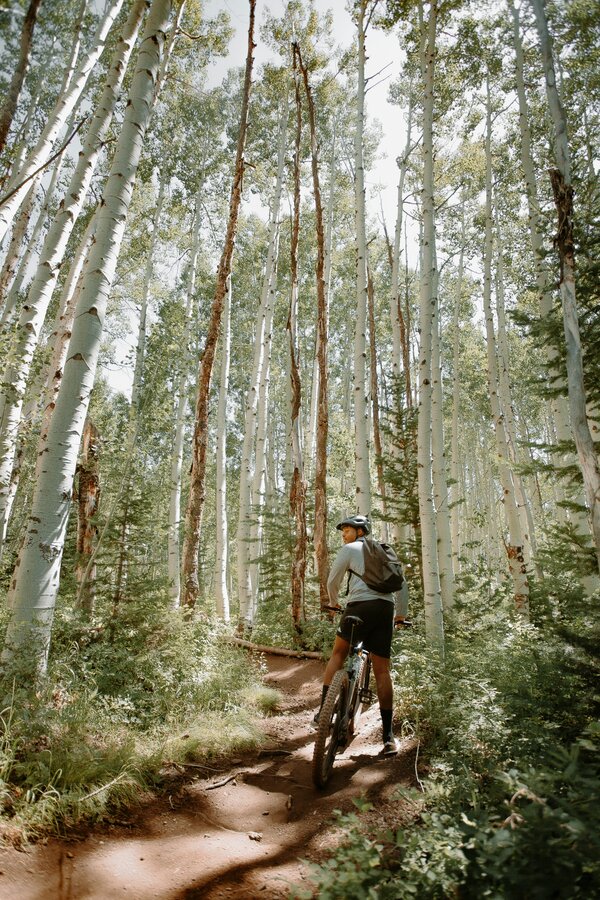 Photo by Chris Henry on Unsplash
I thought it was a weird looking dog at first.
One of the most surreal bear encounters I have had was also one of the closest to civilization. I rode a popular trail system on the edge of a large city, the kind of place where you can see houses through the trees. Then, rounding a switchback, I came face to face with a black bear.
The encounter lasted only seconds. The bear, as startled as I was, bolted into the underbrush. But in those brief moments, I felt the same primal connection I had felt in the northern wilderness. Yet this trail system was no remote wilderness. Dozens of riders use it daily. And yet, the bear was here, reminding us that wildness thrives beside us.
Black bears have more encounters with humans than grizzlies, but they also have a lower fatality rate per encounter. They are more likely to flee than fight. But they are still wild. Still unpredictable. Still deserving of respect.
Encountering a bear near civilization reminds us the razor-thin boundary between wild and settled land. We build our cities and roads, our trails and fences. But the bears are still out there. And that, in many ways, is a beautiful thing.
Fireweed and Fake Dogs
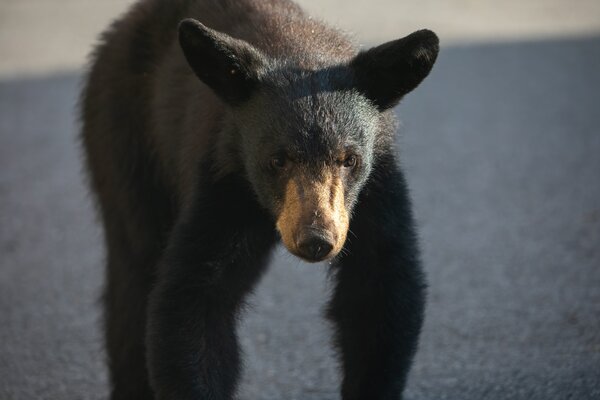
Photo by Richard Stovall on Unsplash
Late summer, I was out gathering fireweed to make jelly. The magenta blooms were thick along the trail, the mountains lit up with color. Then I caught movement far ahead. Another weird-looking dog, I thought. Until it turned broadside and the profile gave it away. Adolescent bear, largish, loping through the meadow. The way it moved, the shape of it, unmistakable once you see it. Another example of how bears blend into the landscape until they reveal themselves.
Mother and Cubs
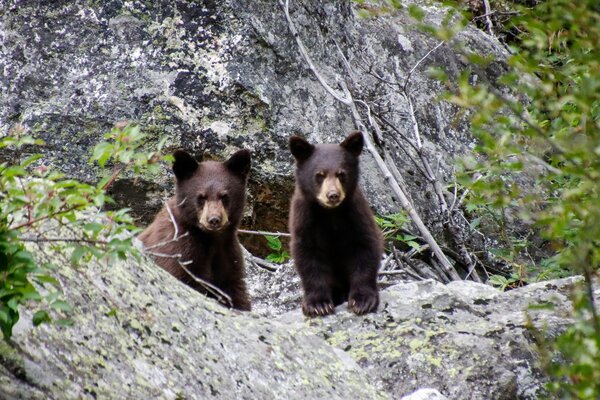
Photo by Alla Kemelmakher on Unsplash
Late summer brings abundance. Berries ripen. Streams run cool and clear. And bear families are on the move.
I was hiking a ridge, enjoying the relative ease of the downhill section, when I spotted movement ahead. At first, I initially took it for a deer. Then I saw the tree shaking. Then I realized. Cubs. Two of them, climbing with that youthful exuberance that seems universal across species.
Then I saw her. The mother. Watching. Waiting. Assessing.
I froze. I witnessed a sacred moment: a mother teaching her young, preparing them for the world. Black bear cubs can climb 50-100 feet up a tree, with the mother directing from below, according to mountain backcountry resources. The area served as their classroom. Their home. I was an uninvited guest.
I backed away slowly, giving them space. The mother bear watched me the entire time, her eyes never leaving mine. It was no stare of aggression. It was a stare of assessment, of decision. In that gaze, I felt the weight of the moment: the responsibility of making the right choices and giving the family their space.
The Life Lesson
Fear and respect are different. I have felt both in bear country. Fear is the racing heart, the adrenaline surge, the instinct to flee or fight. Respect is the understanding that these creatures have their own lives, their own purposes, their own right to exist.
Bears teach us the illusion of control. We plan our routes, our schedules, our lives. But in bear country, we quickly learn that we are visitors, not in charge, not the apex predator. Guests. And good guests do not dictate the terms of their visit.
The stories we tell ourselves shape our behavior. The cultural narratives we carry, whether from Indigenous traditions, European heraldry, or modern conservation ethics, affect how we act when we meet a bear on the trail. When we see bears as symbols of wisdom and protection, we act with more caution and care. When we see them as threats or commodities, we act with fear or greed.
In an age of increasing disconnection from nature, these encounters matter more than ever. They remind us that we are part of the wild. The modern paradox is that as we encroach further into wild spaces, we must remember that we are the newcomers, the interlopers. The bears were here first. And if we want to continue sharing this world with them, we need to act like it.
What to Do
The best bear encounters happen at a respectful distance. If you find yourself sharing space with a bear, remember this
- Carry bear spray and know how to use it. Bear spray is an essential tool
- Make noise, especially in areas with poor visibility or where bears may not hear you coming. Bikers, this means you.
- Never approach a mother with cubs. Encountering a mother with cubs ranks among the most dangerous situations.
- Do not run if you surprise a bear. Back away slowly. Speak calmly. Give it space to leave.
- Respect closures and regulations. They exist to protect both humans and bears.
Closing
I still think about that moment on the mountain trail, the cubs climbing, the mother watching, the forest holding its breath. Time seemed to stop in that instant. I remembered a simple truth: We are not the main characters in these wild places. We do not own these stories. We are just lucky enough to witness them.
The bears are still out there. The wild is still alive. We still have the chance to learn, to grow, to remember our place in the world.
TAGS: nature adventure