Geoscience Research
AI & Software Development
VOLUME I | 2026
Research Journal
Exploring the intersection of AI, geosciences, and open-source software
Nature writes its own algorithms. Rivers organize into meanders and braided channels. Sediment sorts by grain size. These intelligent systems operate without apparent design. AI models work the same way, learning patterns through iteration and feedback.
I tie field science to Frontier AI models. Outcrop geology provides ground truth. Subsurface imaging gives us the hidden layers. Together with artificial intelligence I connect surface expression to subsurface architecture. The same principles that shape a river valley can train a neural network.
I lead teams of geologists, data scientists and AI engineers to build these connections. Mentorship matters as much as code. A good human makes a better scientist. Open source ensures our models stand on solid foundations anyone can inspect. High performance teams do not happen by accident. Trust, clear thinking, and shared purpose build them. Natural intelligence and artificial intelligence overlap. This is where the most powerful discoveries emerge.
Below are some of the cool things I have worked on in this space.
AI Systems

AI Evaluations
- AI Model Benchmarking & Evaluations
- Phrasing Evaluations
- Geospatial Evaluations
- Geoscience Evaluations

Neurosymbolic LLM Judging System
Neurosymbolic LLM judging system for automated AI model evaluation.

RAG Chat & Feedback Application
RAG chat and feedback app where users chat and review other chats for evaluation datasets. Runs on local private server with no internet connection.
AI Competitions
Seismic Competitions
- Every Layer, Everywhere, All at Once
- Dark Side of the Volume
- Two Birds, One Neural Network
- Image Impeccable: Journey to Clarity
- Speed and Structure
- Unbreak my Seismic: A Geophysical Jigsaw Problem
- Reflection Connection: Bringing New Algorithms to Old Data
- Patch the Planet: Restore Missing Data

Power Competitions
- Heat Signature Zero
- Building Instinct: Where power meets predictions
- The Energy-Efficient Ghosts of Holiday Past
- Power Patterns: Harnessing Electricity for Innovation
- Dynamic Rhythms

Geoscience Competitions
- Stranger Sections 2
- Spot the Trend: Pattern recognition in 1D Pressure Data
- No Second Guessing
- Core Values: A Geological Quest
- In-Direto da Fonte Reativado
AI in Geoscience
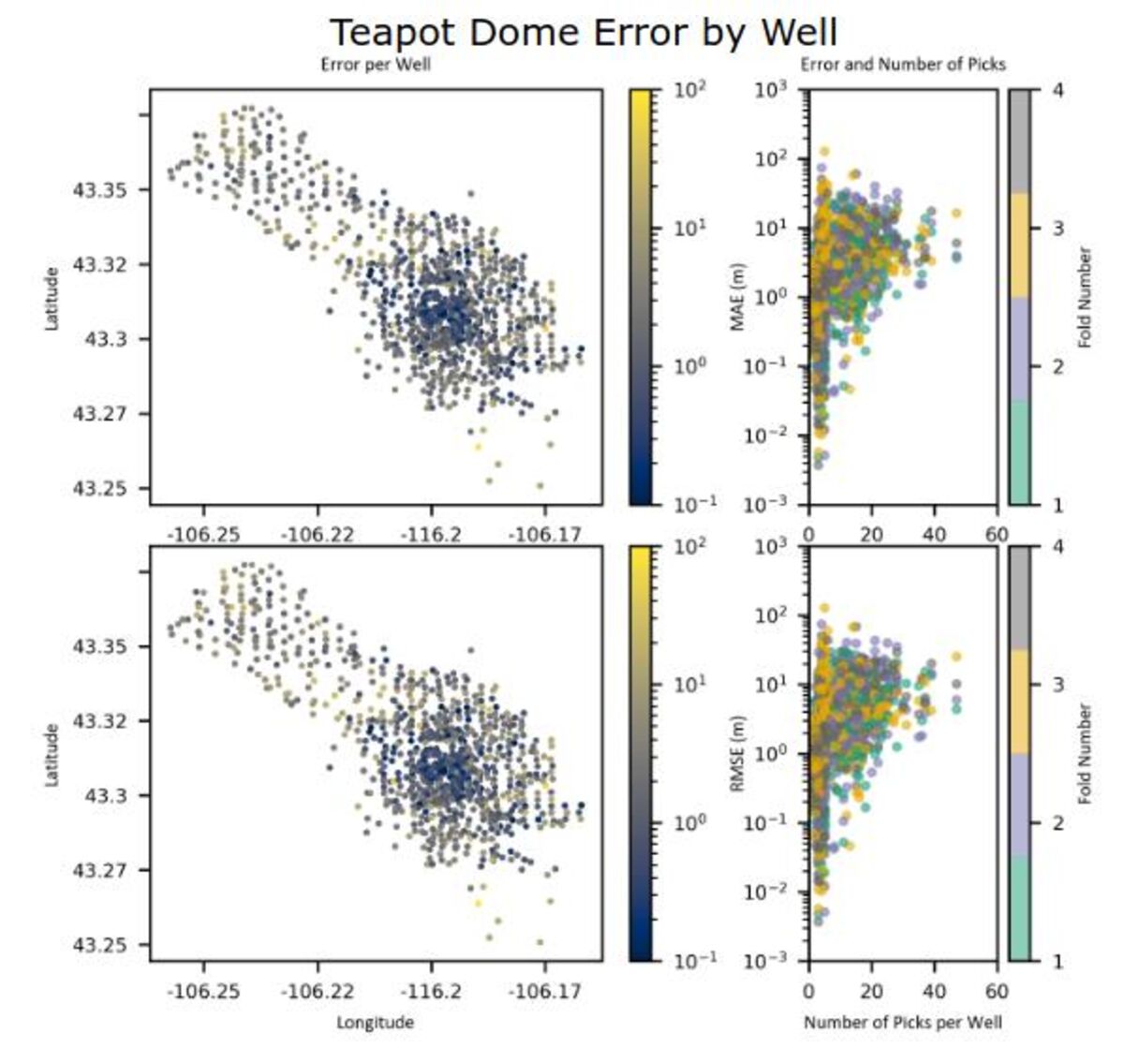
Subsurface Prediction
AI recommender systems for predicting true vertical depth to subsurface formation tops, improving oil and gas exploration accuracy.
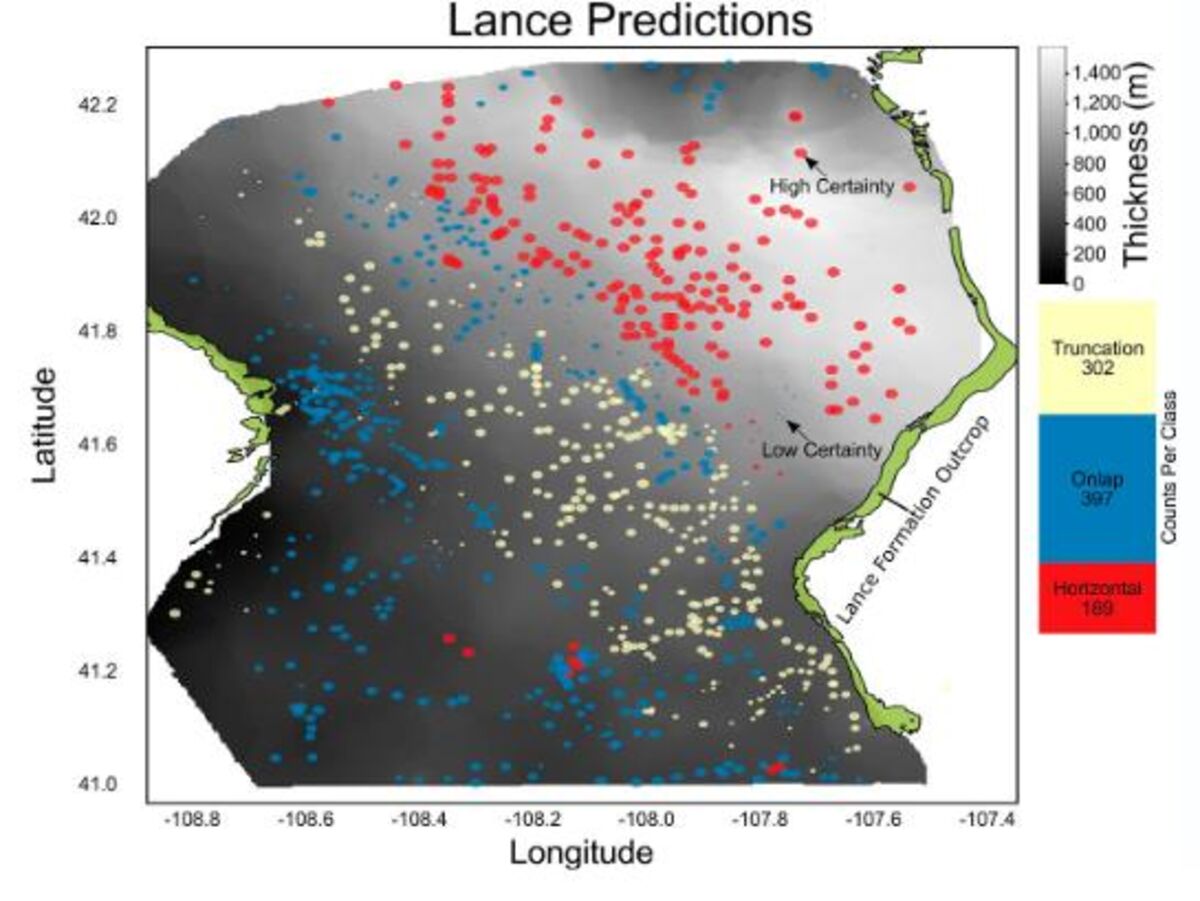
Basin-Scale Stratigraphy
AI approaches for classifying basin-scale stratigraphic geometries from formation tops data, published in The Depositional Record.
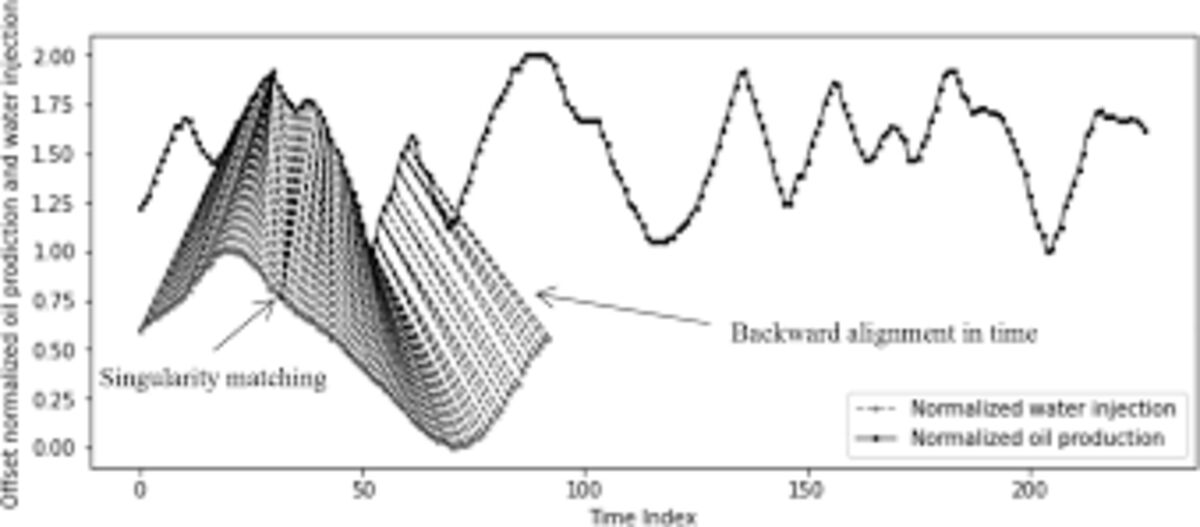
Well Connectivity Analysis
Applied dynamic time warping to characterize connectivity between well injection and production histories in petroleum systems.
Geophysical Data Analysis & AI
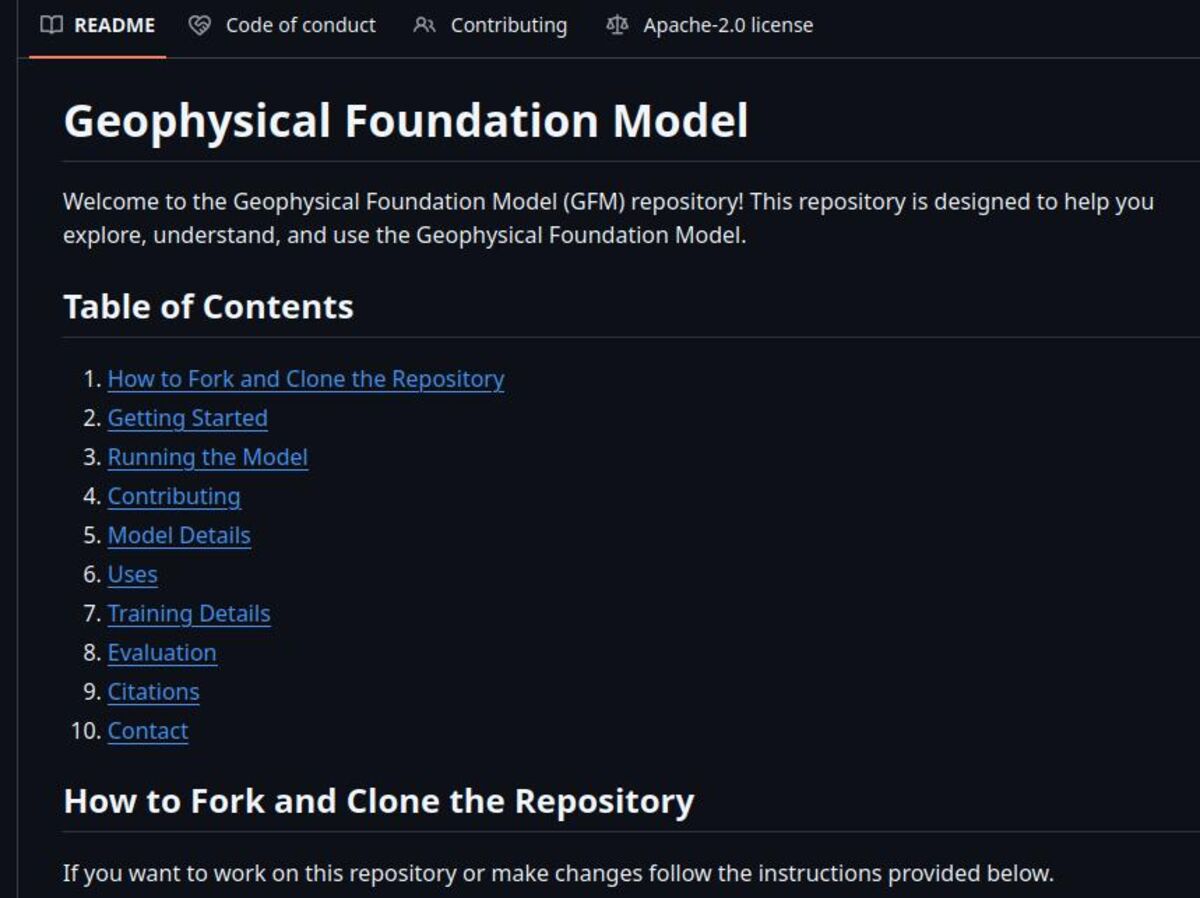
Open-Source AI for Seismic
Developed geophysical foundation models for seismic analysis using deep learning, presented at EAGE conferences.
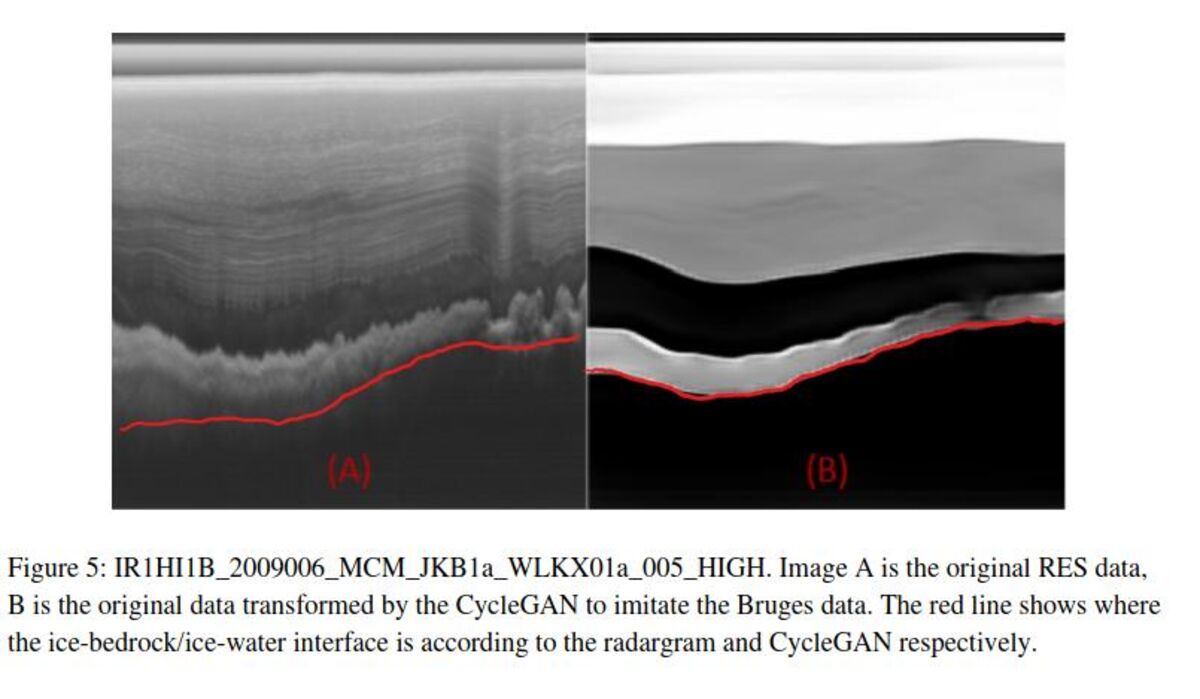
RES Data Enhancement
Automatic feature highlighting in noisy resistivity data using CycleGAN generative adversarial networks.
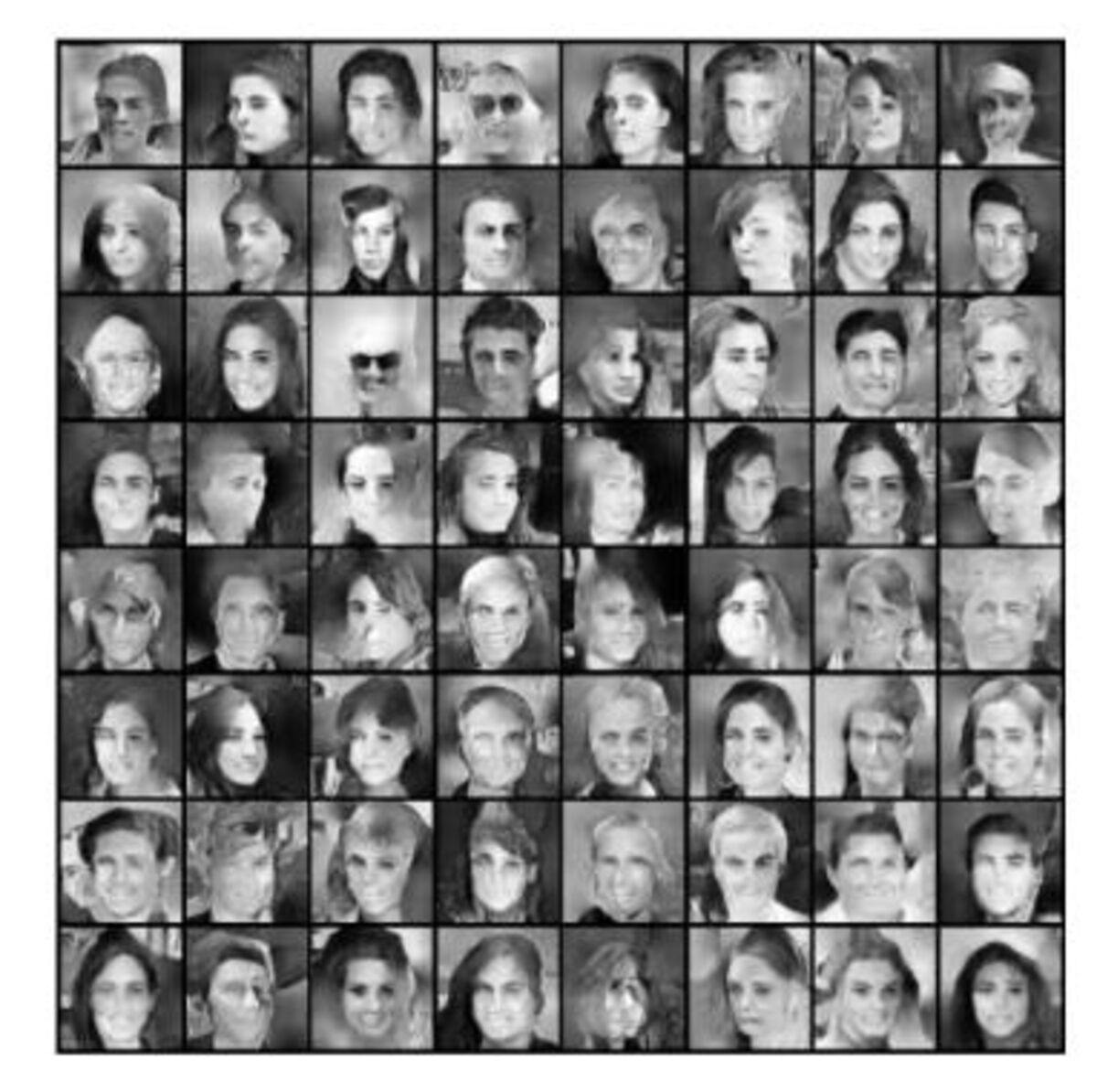
StackGAN Optimizations
Research on StackGAN optimizations for facial image generation with applications in geoscience data visualization.
Energy Systems & Optimization
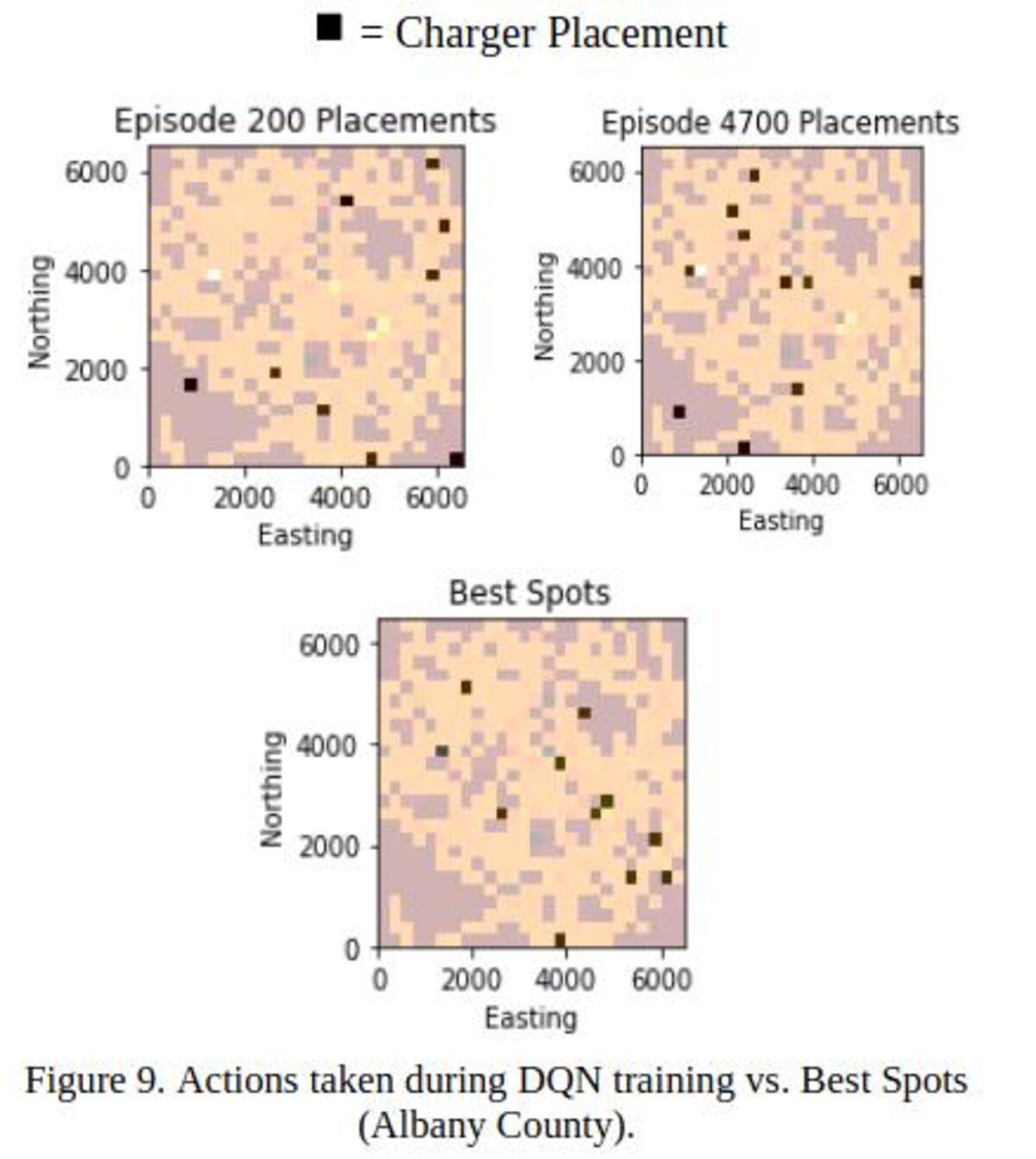
Public Charging Stations
Deep reinforcement learning for optimal placement of public electric vehicle charging stations.
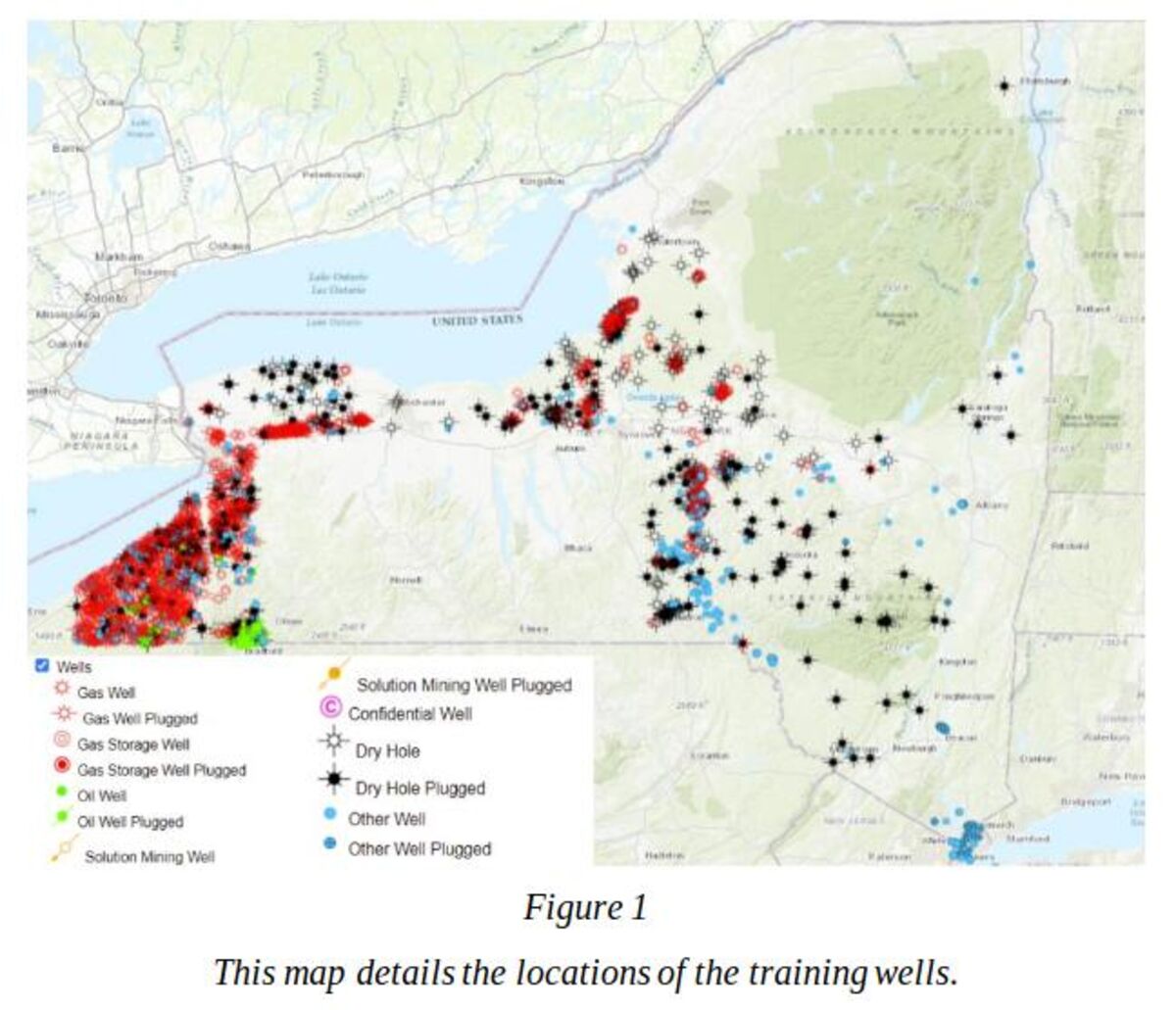
AI for Acquisitions
Recommender systems for optimizing oil and gas acquisitions using AI approaches.
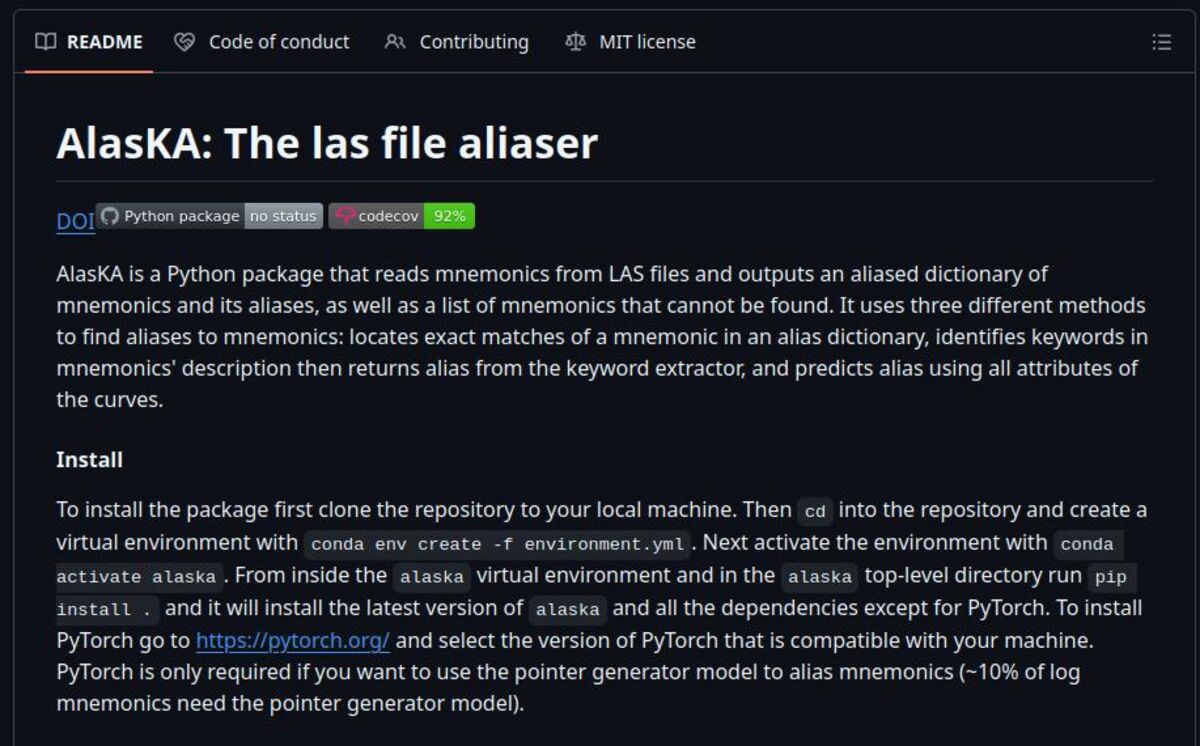
Well Log Aliasing
Digital well log aliaser for petroleum data analysis, presented at Norwegian Geological Society conferences.
Fluvial Systems & Sedimentology
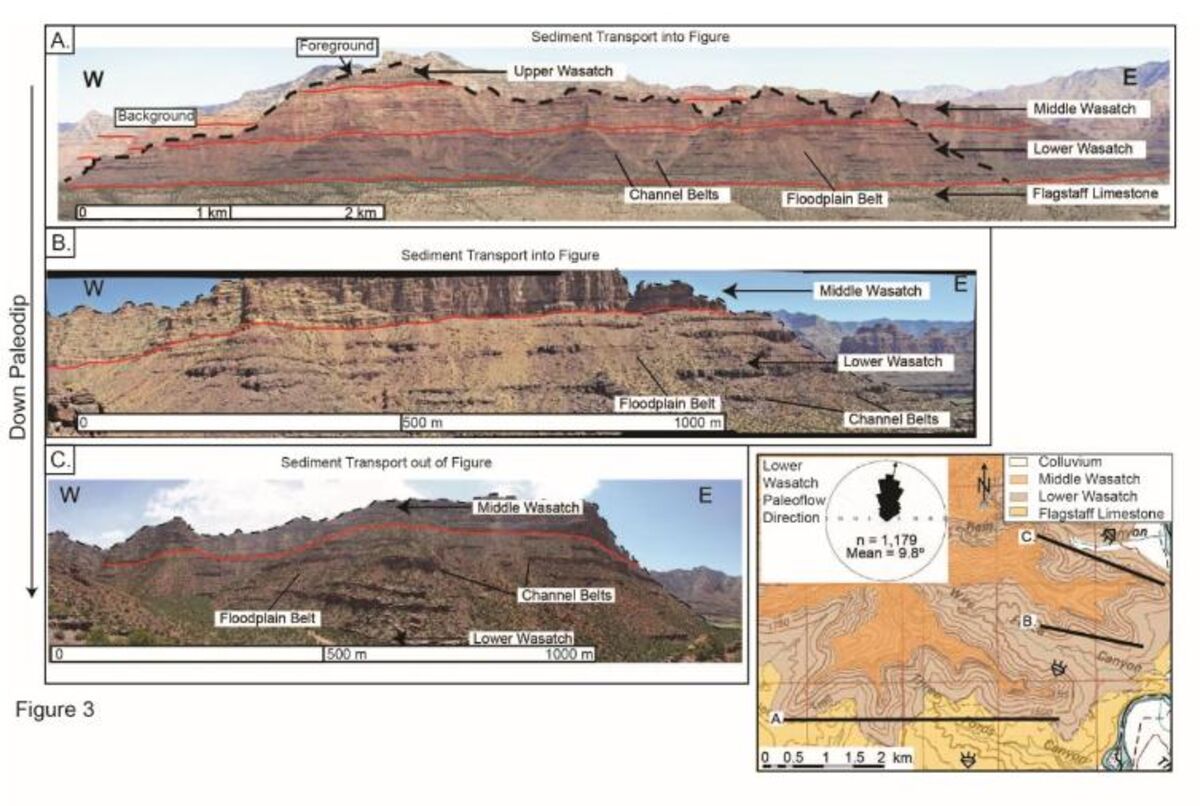
Fluvial Architecture Analysis
Comprehensive study of fluvial channel-belt clustering, compensation, and connectivity in the Wasatch Formation and Dakota Sandstone.
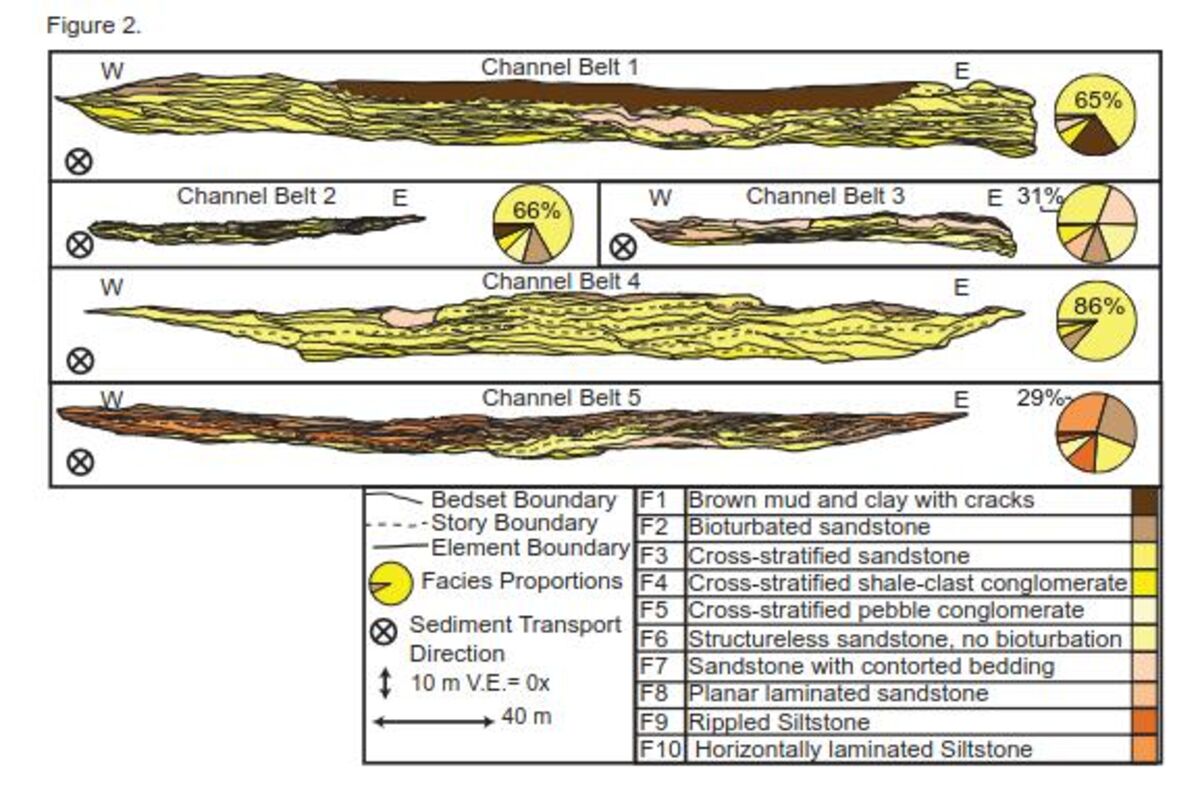
Quantitative Fluvial Analysis
Quantitative analysis of fluvial paleohydraulics and intra-channel belt stratal preservation in continental sedimentary basins.
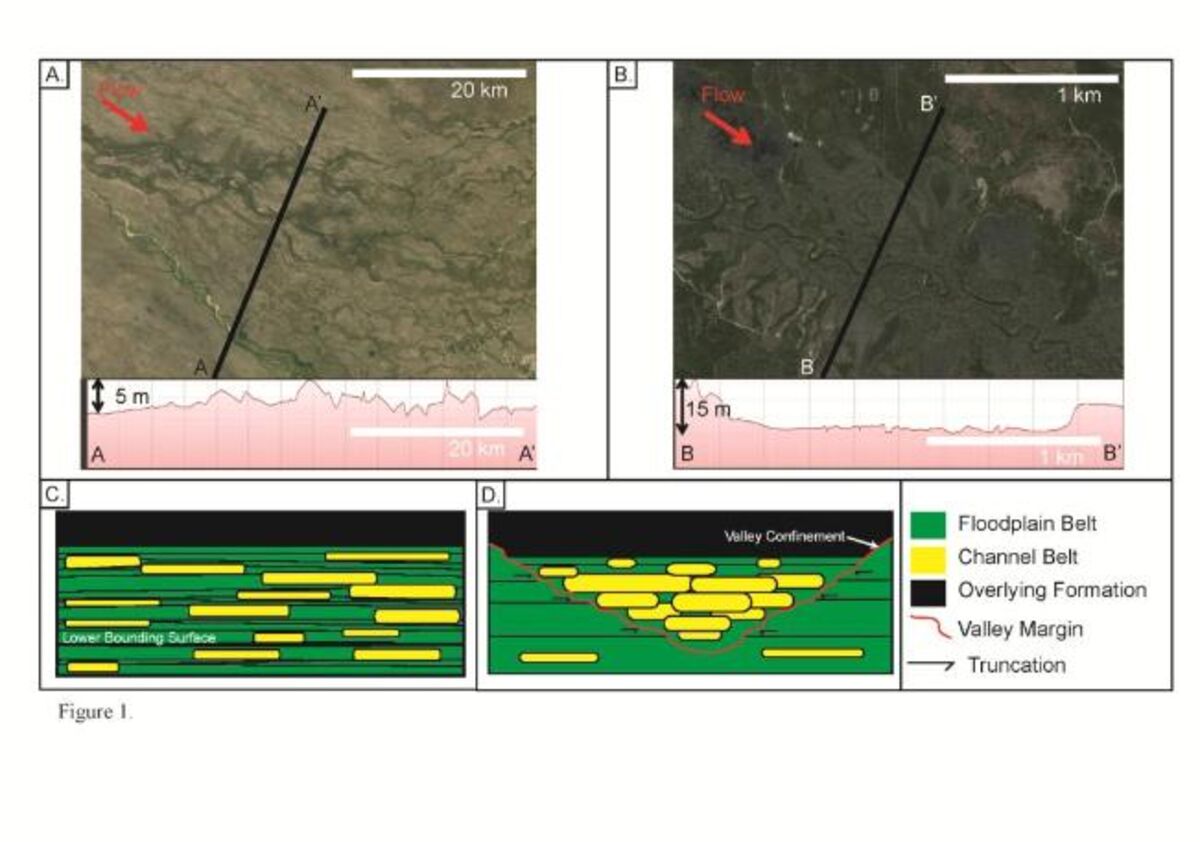
Lateral Confinement Effects
Research on how lateral topographic confinement influences fluvial channel-belt clustering and connectivity patterns.
Open Source Software Development
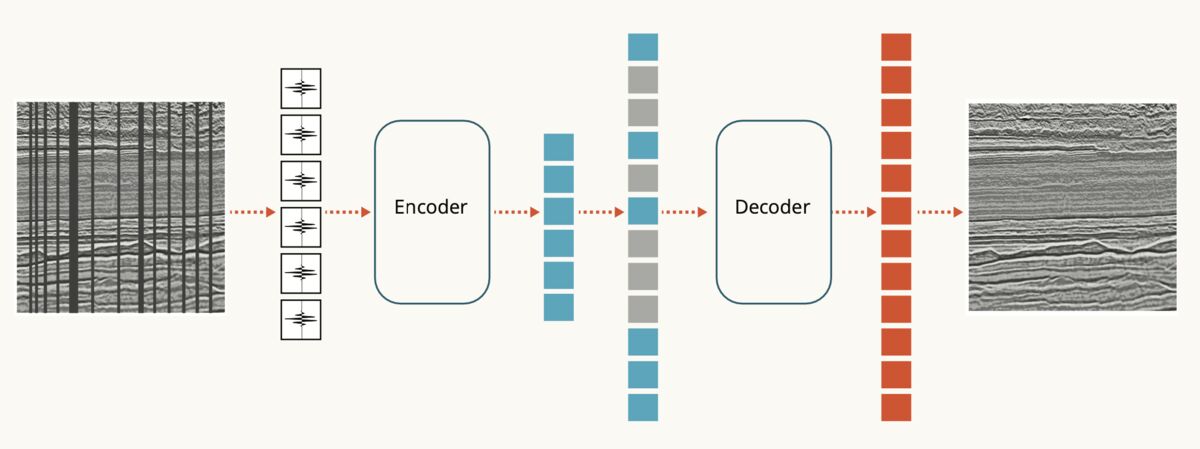
Hugging Face Models
Open-source geophysical foundation models for seismic data analysis, available on Hugging Face with DOI registration.
Spatial Data Libraries
Contributions to Verde (spatial data processing) and Geopandas (geospatial data analysis) open-source libraries.
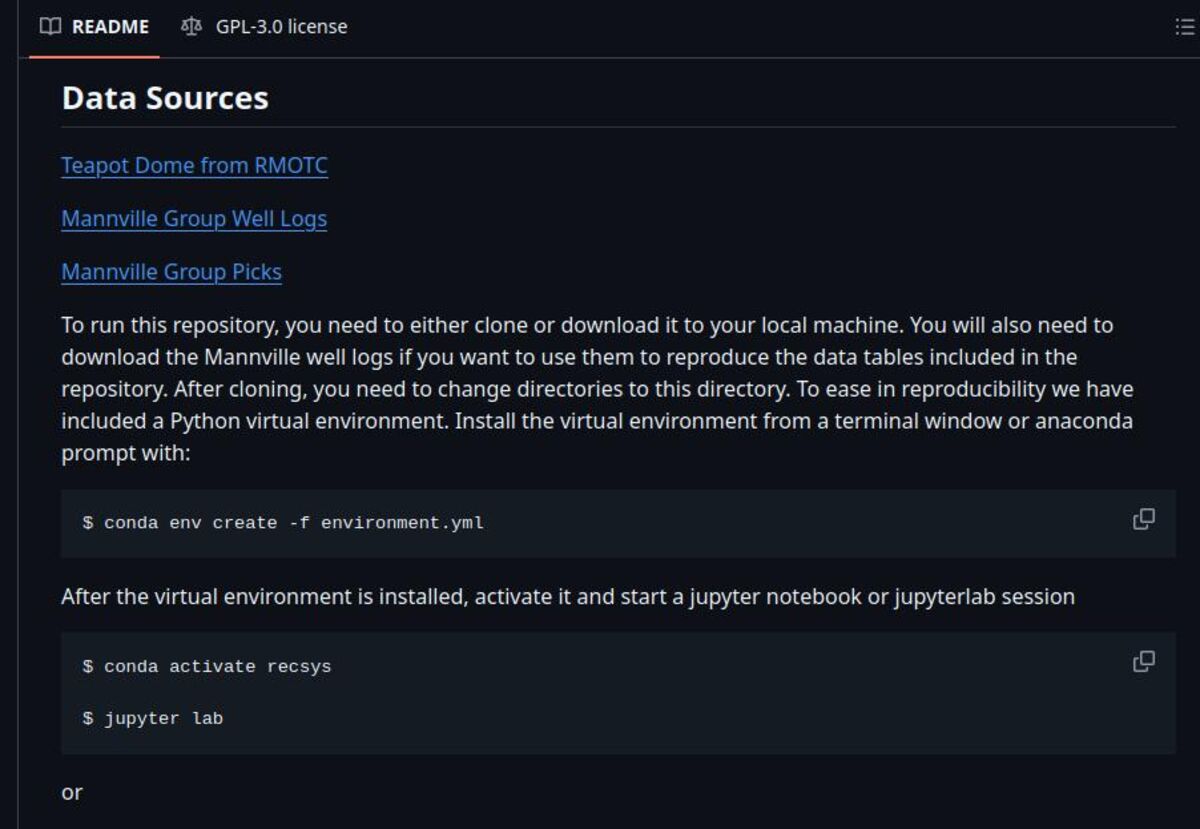
AI for Geosciences
Matrix factorization library specifically designed for geoscience applications and data analysis.
Geological Mapping & Regional Studies
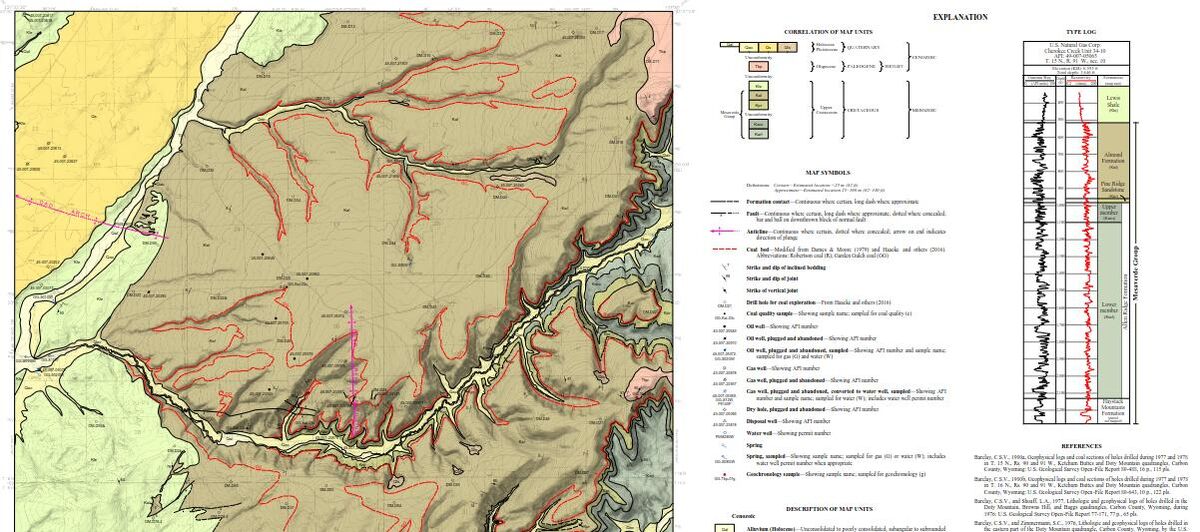
7.5' Quadrangle Maps
Preliminary geological mapping of multiple 7.5' quadrangle areas in mountainous terrain.
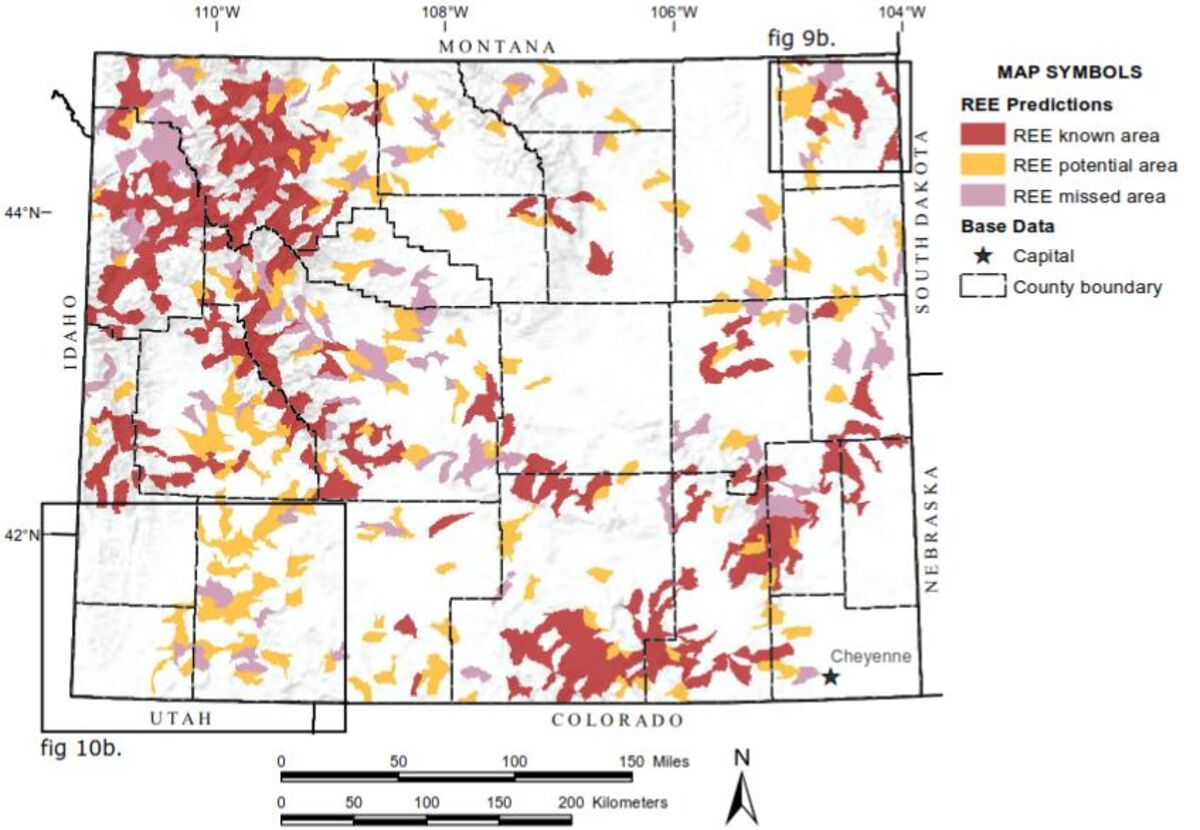
Regional Mapping
Regional-scale investigations and mapping across diverse geological provinces.
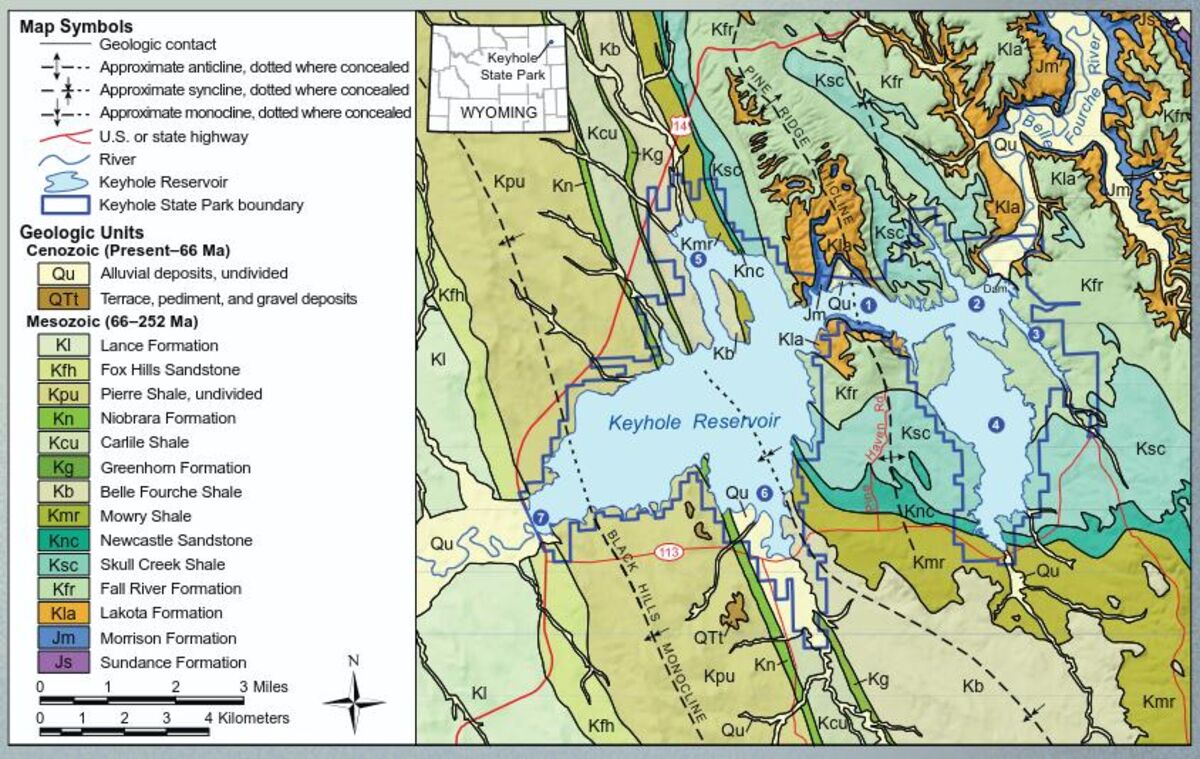
Geoscience Outreach
Public geological education and resource materials for Wyoming communities.
Webinars & Live Talks