The World on a Leash
PUBLISHED 2026-09-17 | BY Jesse Pisel
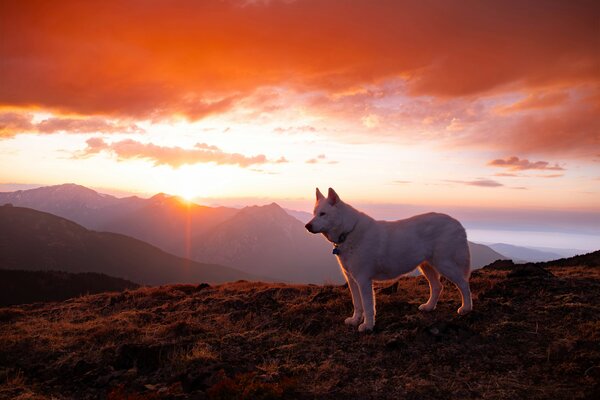
Photo by Robert Brumm on Unsplash
A Day Out
The website described him as a husky mix, high energy, needing a long walk. My partner and I pulled into the shelter parking lot, nervous and excited. They brought him out on a leash. Lean muscle, restless energy, ice-blue eyes scanning the horizon like he already knew something we did not.
We opened the car door and he did not hesitate. One graceful leap and he claimed the back seat. The moment we pulled onto the road, his nose went to the cracked window and stayed there. For the entire drive to the trailhead, that husky had his face in the wind, ears flapping, the world rushing past in a blur of green and blue. He was a creature experiencing freedom for the first time in who knows how long.
That day we hiked seven miles through the mossy forest. He led the way, tail high, occasionally glancing back. You coming? Moments of pure joy punctuated the hike. Bursts of speed, rolls in delightfully foul things, drinking from a creek with boundless enthusiasm. By the end, my legs were content and my soul was full. We returned him that afternoon, already knowing we would be back. That husky, with his face in the wind, had hooked us.
These dogs need the world.
Shelter Dogs Need More Than a Kennel
Kennel life is concrete and echo. The same four walls, the same barks, the same disinfected air, the same toys. Many dogs arrive with limited world exposure. Another one of our first shelter dogs, another big husky the color of coffee, refused to come anywhere near me when I had sunglasses on. He planted his paws and refused to move, eyes wide at the unfamiliar looking person. I was an alien invader. A passing car sent him scrabbling backward.
Cars, people, other dogs, novel surfaces. To a shelter dog, they are terrifying. The disconnect between kennel behavior and home behavior. A dog that spends its days in a 4x6 run does not know if it loves hiking, water, or meeting new people. It does not know if it can handle a busy household or quiet suburban street. Socialization is part of the bridge between shelter and forever home.
Volunteers are also part of that bridge. We open the door and say, Let me show you what the world feels like.
The Work of a Dog Volunteer
Hiking and Trails
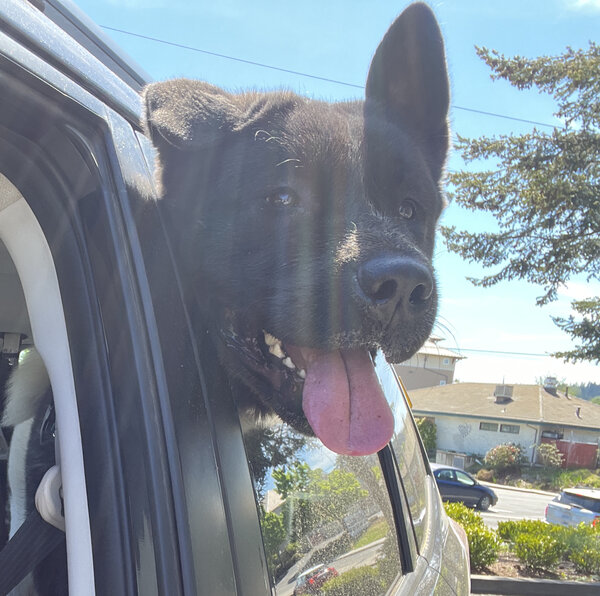
Watching a shelter dog discover the wild is special. The first time that coffee colored husky loaded into the car, he did so with the caution of a cat on ice. Then something clicked. The scent of treats, the wind on the ride carrying a thousand stories. His nose went out the window and his tail went up. By the end of that first ride, he was ready to go full send.
Different dogs respond to different environments. Forest trails bring out the best in some. Others discover a love for water, splashing through creeks like children in puddles. The key is exposure. Each new environment teaches them something about themselves.
Urban Socialization
Not all adventures require wilderness. Urban work happens on city streets and in pet-friendly stores. A shelter-raised dog often panics at a bicycle, garbage truck, or stranger. Urban socialization teaches them the world is full of strange and wonderful things.
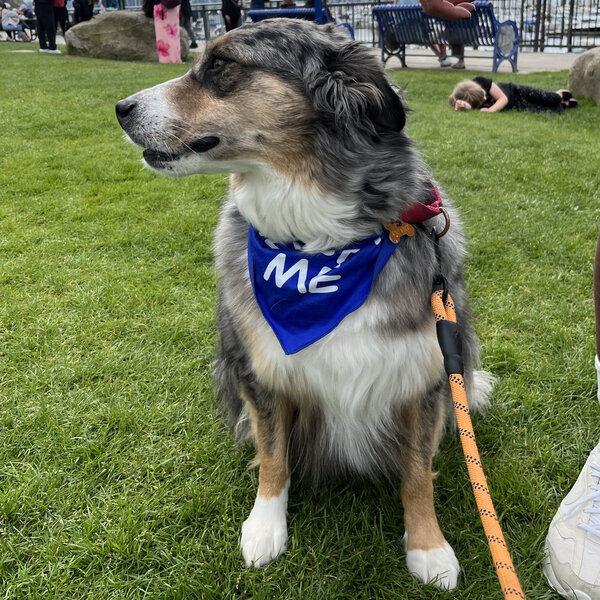
I remember an Aussie mix, overlooked for months because of his protective temperment. His first walk through a bustling fair opened my eyes. He started tense, but as we moved, his body relaxed. He realized people would not hurt him. Cars would not eat him. By the end, he was wagging at people, accepting pets from strangers, changing from pensive shelter dog to confident companion in real time.
Exercise and Leash Manners
Physical stimulation is only part of the equation. Mental stimulation is equally important. A tired dog is well-behaved. A mentally engaged dog is happy. The shelter environment is safe but understimulating. Dogs need to use their brains as much as their bodies.
We spent time with an Akita who had a high prey drive and the focus of a goldfish. She would spy a squirrel in the ferns and drag me behind her like a ragdoll. We practiced recall, redirection, and walking on a leash.
The Foster Home
Some dogs need more than a day out. They need a home, even if temporary.
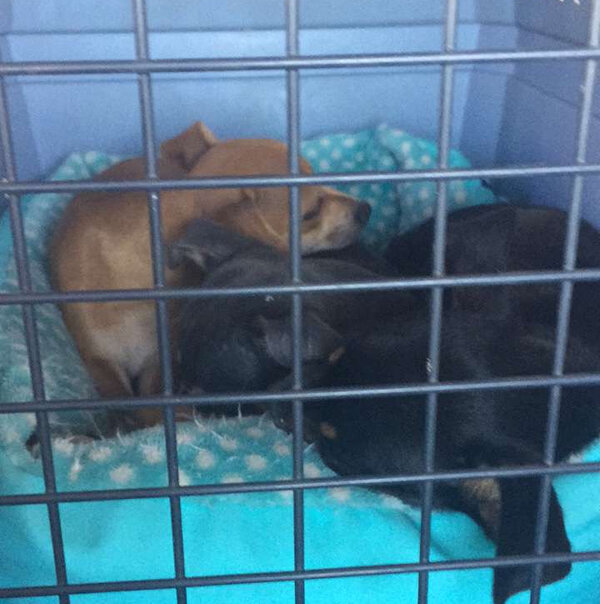
The three chihuahua puppies arrived as a trembling trio, all knees and oversized ears. Their first backyard adventure was a revelation. A pool became an ocean. A fallen palm frond was a dragon. Each new scent sent them into a flurry of tiny paws and wagging tails and barks. They had known only concrete. Now they were learning the world is vast and full of possibility (especially the possibility of bacon). I am still bummed I do not have a better photo of all three together.
The Transformation
The real change happens over time. The dog that comes in terrified of its own shadow pulls you toward the car weeks later, tail wagging, ready for adventure.
The special needs dog from the southwest shelter arrived overlooked, her back legs not working quite right. The dry air and open space became her therapy. Each careful step on the desert trail built her confidence. She discovered she could still explore, still adventure, still find joy beyond her kennel. The world did not need to be perfect to be inviting.
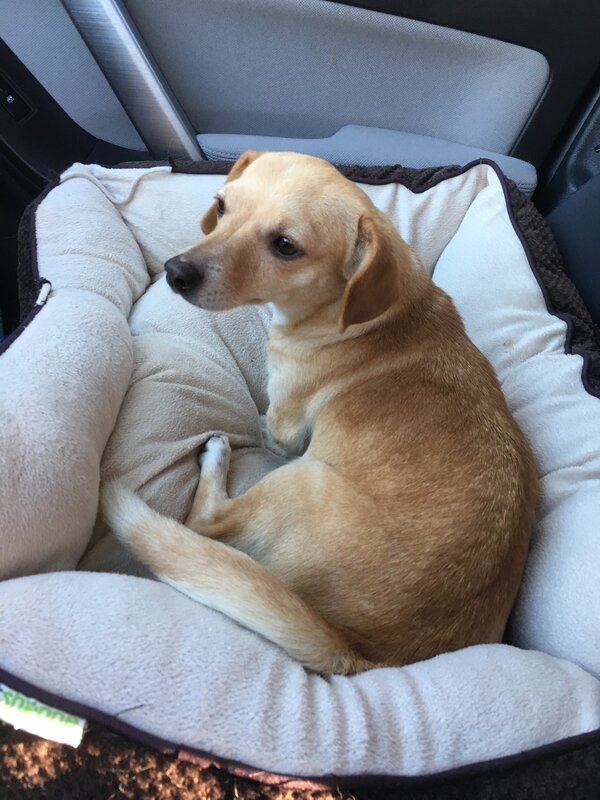
Socialization changes the dog. It changes their demeanor in the shelter. A world-experienced dog is calmer, confident, approachable. They greet adopters with wagging tails, confident and calm. They show their true personalities, relaxed and happy. That makes all the difference.
The Best Day
The moment every volunteer lives for and dreads in equal measure. The day that dog, the one you have poured time into, the one you have come to love, finds their forever home.
I remember when the first husky mix was adopted. I was happy for him. The ache of knowing I would not see him again, would not watch his face in the wind, is the bittersweet reality. You pour your heart in, then let them go. And you do it all over again.
The adopters often share stories afterward. ‘He is so well-behaved on walks’, they say. Or, ‘He loves the dog park’. Or, ‘She settled in like he had always been here’. Those words are the payoff. The reason you keep coming back.
What I Care About
The numbers do not lie. Approximately 5.8 million dogs enter U.S. shelters annually. About 334,000 dogs are euthanized each year, often due to space constraints and behavioral issues. The overall euthanasia rate for dogs and cats has declined to 8% in 2025; hundreds of thousands remain.
Socialization saves lives. The Arizona Humane Society’s ‘Dog Day Out’ program found that 21% of dogs were adopted within 48 hours of their first field trip with volunteers. Shelter stays dropped after just one outing. The 2025 Shelter Animals Count report confirms shelters with active volunteer programs see shorter lengths of stay.
Behavioral issues are a leading cause of returns. Between 7% and 20% of adopted animals are returned within six months, with behavior issues accounting for 38.2% of dog returns. Proper socialization addresses these issues before they become problems.
Volunteers break down barriers between shelter dogs and potential families. Adopters see the dog as it truly is. One volunteer helps many dogs. Each adoption makes room for another.
Volunteering also brings personal growth. Working with shelter dogs teaches patience, resilience, and how to see the world through different eyes. It teaches the power of second chances.
The Constant
I have lost count of the dogs we have worked with. The tiny trio of Chihuahuas. The Aussie who discovered he was a people dog. The Akita who learned squirrels were not worth the chase.
And the senior dog, gray-muzzled and wise-eyed, who taught me that age does not diminish curiosity. Her pace was slower; her spirit never dimmed. She would find a winter sunbeam and collapse into it with the contentment of one who has earned her rest. Then she would be ready for the next walk, the next scent, the next small adventure.
Each had their own story, their own path, their own forever home.
The bittersweet cycle never ends. Just when you start to miss one, another arrives, tail wagging, ready for their first taste of the world. The faces, stories, adventures, and days change. The work remains the same.
The simple, rewarding act of opening a door and saying, Let me show you what is out here.
Each new dog brings a new story to write. Each new walk is a chance to change a life. Each new face in the wind is a moment of pure, unfiltered joy. We keep coming back because it changes lives.
The world is a big place. With the right support at the end of the leash, it feels just the right size.
TAGS: community